

What Exactly Is an Online Casino and How Does It Work?
Top Rated Online Casinos: Sign Up Now And Claim Your Bonus
An online casino is a digital platform where you can play classic games like slots, blackjack, and roulette directly from your device. It works by using random number generators to ensure fair play and offers the comfort of playing anytime from home. This convenience removes travel time and attire concerns, letting you enjoy a casino experience on your own terms. To start, you simply create an account, deposit funds, and choose a game that fits your mood or skill level.
What Exactly Is an Online Casino and How Does It Work?
An online casino is a digital platform that replicates real-world gambling, allowing you to wager money on games via your browser or app. It works using a Random Number Generator (RNG) to determine every card dealt or reel spun, ensuring outcomes are purely random and unpredictable. You deposit funds into a virtual account, then place bets on slots, blackjack, or roulette, with winnings added back instantly. Live dealer games stream a real croupier to your screen, letting you interact while bets are placed via clickable chips. All game logic and payouts are handled by complex software that verifies your balance in real time. The key mechanic is that you never physically touch money or cards, yet the house edge remains mathematically identical to a land-based venue.
How Digital Slot Machines and Table Games Function Behind the Scenes
Digital slot machines rely on a Random Number Generator (RNG) that constantly cycles through number sequences, even when the game is idle. When you press spin, the RNG instantly locks a specific combination, determining the outcome completely independently of previous results. Table games function through a virtual dealing engine that simulates card shuffles or dice rolls using similar RNG technology, with blackjack offering hit/stand decisions and roulette using a physics-based algorithm for ball landing positions. The key practical backend function is that no human intervention or pattern manipulation occurs—the software executes predetermined probabilities instantly.
- RNGs use seed values from server time or user actions to ensure unpredictable outcomes for each round.
- Table game engines calculate dealer actions based on fixed rules, like casino blackjack protocols.
- Slot reels are visual overlays mapped to RNG-generated numbers, not physical spinning wheels.
Understanding Random Number Generators and Game Fairness
An online casino’s fairness hinges on its Random Number Generator (RNG), a software algorithm that produces unpredictable outcomes for every virtual spin, card deal, or dice roll. This ensures each result is independent of previous ones, mimicking true randomness. Independent testing agencies verify that the RNG is not biased, guaranteeing the house edge remains mathematically consistent. A player can never influence or predict the next outcome, regardless of betting patterns. Q: How can I verify an online casino’s game fairness? A: Look for publicly displayed certification seals from labs like eCOGRA or iTech Labs, which audit RNG algorithms and payout percentages.
Key Features to Look for When Choosing a Gambling Site
When you’re scrolling for a new online casino, the first thing that catches you is the game variety. You check if your favorite slots or live dealer tables are there, but then you notice the payment methods—that’s where you pause. You need quick withdrawals, so you look for options like e-wallets or crypto that won’t keep you waiting. Later, while placing a bet on blackjack, you rely on mobile compatibility to switch from your laptop to your phone without a glitch. The real deal-breaker? Fairness in the game interface—you watch the RNG certification badge near the spin button, knowing it guarantees random outcomes. That tiny mark makes every win feel earned. Ultimately, you leave a site that lacks customer support during a sticky withdrawal, remembering how vital live chat is for real-time help.
Game Selection: Slots, Live Dealers, and Specialty Options
A strong online casino prioritizes game selection diversity across three core categories. Slots require analyzing RTP percentages and variance from top software providers. Live dealer options must offer multiple blackjack, roulette, and baccarat tables with clear video feeds and professional croupiers. Specialty games like bingo, keno, or crash games fill gaps when slots or tables feel repetitive. Checking the volatility range of available slots alongside live game betting limits ensures your bankroll aligns with offered stakes. For slots, verify search filters for theme, paylines, and bonus features. Live tables should clearly display minimum bets and side bet options before you join. A casino lacking in one category forces you to compromise on play style.
| Category | Key Selection Factor | What to Verify |
|---|---|---|
| Slots | RTP & variance | Provider reputation (NetEnt, Play’n GO) |
| Live Dealers | Game variety & stream quality | Betting limits & table availability |
| Specialty Options | Unique game mechanics | Auto-play features & RTP if disclosed |
Payment Methods That Offer Speed and Convenience
When selecting an online casino, prioritizing fast payout casinos ensures you access your winnings without delay. Instant payment methods like e-wallets (Skrill, Neteller) and cryptocurrency often process withdrawals within minutes, bypassing lengthy bank queues. Look for sites offering “instant-play” debit card deposits, which credit your balance immediately for non-stop action. Avoid methods with hidden hold times; the best options verify transactions automatically.
- E-wallets: Withdrawals complete in under 15 minutes with minimal fees.
- Cryptocurrencies: Bitcoin and Ethereum deposits are near-instant and anonymous.
- Pay-by-Phone: Deposit funds in seconds via your mobile bill with no card details.

How to Create an Account and Start Playing
First, head to the casino’s site and hit the bright Sign gambling sites not on gamstop Up button. You’ll fill in basic details like your email, a username, and a secure password. Most sites will ask for an address and date of birth to verify your age. After you submit, check your inbox for a confirmation link; clicking it activates your account. Next, head to the cashier and pick a deposit method—cards, e-wallets, or crypto usually work. The minimum deposit is often around $10.
Once your funds clear, the real fun begins: browse the game lobby, pick a slot or table game, and click to play for real money.
Remember to set a deposit limit in your profile if you want to keep things chill.
Step-by-Step Registration and Identity Verification Process
Begin by clicking “Sign Up” and filling in your email, username, and a secure password. Next, provide your full legal name, date of birth, and address exactly as shown on your ID. Upload a clear photo of your passport or driver’s license for verification, then snap a selfie to confirm it’s you. Some casinos require a proof-of-address document, like a recent utility bill, to finalize the process. Once submitted, the system cross-checks your details within minutes to unlock deposits and withdrawals.
Registration involves entering personal data and uploading ID documents; identity verification then matches your photo and proof of address to activate your account for play.
Claiming Welcome Bonuses and Free Spins
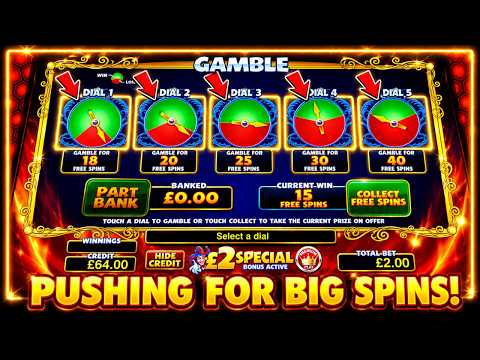
After registration, navigate to the cashier and select the welcome offer. Many casinos require a minimum deposit to unlock the bonus, while free spins may be credited automatically or via a bonus code. Wagering requirements dictate how many times you must play through the bonus before withdrawing winnings. Always check the game contribution percentages, as slots often count 100%, whereas table games may contribute less. Free spins typically apply to a specific slot title and have an expiry date. Claiming welcome bonuses and free spins is straightforward if you follow the on-screen prompts.
Q: What is the most important rule when claiming free spins?
A: Always read the terms for wagering requirements and expiry dates to ensure you can convert winnings into withdrawable cash.
Practical Tips for Managing Your Bankroll and Time
Set a strict session limit before you log in; use a timer to enforce it. Divide your total bankroll into small, fixed units for each session and never chase losses by dipping into tomorrow’s stake or extending playtime. When you hit your loss cap or time limit, walk away immediately—this discipline fuels long-term play.
The smartest win is knowing when to log off, not just when to cash out.
Treat each deposit as an entertainment expense, and schedule breaks to reset focus, avoiding autoplay drift. Small, consistent bets with firm time blocks keep the experience sustainable and fun, not frantic.
Setting Deposit Limits and Loss Thresholds
Establishing personal deposit limits before you play is the definitive method to control your spending. Set a fixed weekly or monthly cap that your account cannot exceed, ensuring your bankroll aligns with your disposable income. Simultaneously, define a strict loss threshold—a specific amount you will accept losing before you walk away. This pre-committed ceiling prevents the emotional spiral of chasing losses with funds meant for other obligations. By configuring these automated boundaries in your casino account settings, you convert reckless impulses into disciplined, pre-planned sessions, preserving both your finances and your enjoyment.
Using Session Reminders to Avoid Overspending
Setting session reminders is a simple way to keep your bankroll safe. Before you start playing, set a timer on your phone for 30 or 60 minutes. When it goes off, pause to check your balance and decide if you’re still within your budget. This dedicated break stops you from chasing losses or betting on autopilot. Treat that alert as a friendly nudge, not a command to quit, but a chance to re-evaluate. One more spin during overtime often leads to overspending, so use reminders to keep your time and money in check.

What Are the Most Popular Game Types and Their Rules?
In online casinos, the most popular game types include slots, blackjack, roulette, and poker. Online slots require players to spin reels, matching symbols across paylines to win, with rules varying by features like wilds and scatters. Blackjack pits players against the dealer, aiming for a hand value as close to 21 as possible without exceeding it, with basic strategy focusing on hitting, standing, or doubling down. Roulette involves betting on where a ball will land on a spinning wheel, with rules covering inside bets (specific numbers) and outside bets (colors, odds). Video poker combines slot mechanics with poker hand rankings, where players discard and draw cards to form winning combinations. Each game has specific payout tables and betting limits that dictate play.
Blackjack, Roulette, and Poker Strategies for Beginners
For beginners, mastering Blackjack, Roulette, and Poker Strategies starts with distinct approaches. In Blackjack, use basic strategy charts to minimize the house edge by knowing when to hit, stand, or double down. For Roulette, stick to even-money outside bets like red/black to maximize survival, avoiding riskier inside bets. In Poker, tight-aggressive play—folding weak hands and betting strong ones—builds consistent wins. Each game demands separate tactics: Blackjack relies on decision trees, Roulette on bet selection, and Poker on reading opponents. Without these focused methods, beginners risk rapid losses online.

Video Slots vs. Classic Slots: Volatility and Payout Differences
Video slots are defined by high volatility and complex payout structures, offering infrequent but massive wins through bonus rounds and cascading reels. Classic slots, in contrast, feature low volatility with frequent, smaller payouts from simpler three-reel mechanics. A video slot’s 96% RTP may still yield longer dry spells than a classic slot’s 95% RTP due to its wider variance. Video slots often use 1,024+ ways to win, while classic slots stick to fixed paylines. This variance directly affects bankroll sustainability.
- Video slots: high volatility, large jackpots via free spins and multipliers
- Classic slots: low volatility, smaller but consistent wins
- Video slots: 20–100+ paylines or cluster pays; classic slots: 1–3 paylines
- Classic slots rely on simpler hit frequency; video slots depend on bonus triggers
Common Questions New Players Ask About Digital Gambling
New players often ask if online casino games are “rigged,” seeking assurance about fairness. Their next common question involves how deposits and withdrawals actually work, particularly the speed and legitimacy of payouts. Many also inquire about welcome bonuses, wanting clarity on wagering requirements and what “locked” funds mean. A key insight for beginners is that understanding game Return to Player (RTP) percentages directly impacts long-term experience.
Most early confusion stems from bonus terms, not game outcomes; always read the conditions for releasing bonus cash.
Finally, practical questions about account verification steps and setting loss limits are frequent, as new users navigate responsible play within the casino lobby.
Are My Winnings Automatically Withdrawn or Taxed?
Winnings are not automatically withdrawn or taxed by the online casino. Your funds remain in your casino account balance until you manually request a withdrawal through the cashier. The platform does not deduct taxes; it is your responsibility to report any gambling income to your local tax authority. However, some casinos may automatically apply withdrawal limits or processing fees before releasing your payout. Check the casino’s terms to see if a mandatory wagering requirement or identity verification step delays automatic access to your winnings.
| Aspect | Automatic Withdrawal | Automatic Taxation |
|---|---|---|
| Action by casino | No; you must initiate it | No; you report taxes yourself |
| Possible delay | Due to verification or wagering rules | Not applicable |
| Fee application | May be charged on withdrawal | Not deducted by casino |
How to Spot a Trustworthy Platform Without Reading Reviews
To spot a trustworthy platform without reading reviews, first examine the website’s technical integrity: a legitimate casino uses HTTPS encryption and displays verifiable third-party game certifications like eCOGRA or iTech Labs logos that link directly to the certifying body. Next, test the payment processing speed by depositing a small amount; a reliable site processes withdrawals within stated timelines without hidden fees. Finally, scrutinize the terms for wagering requirements—trustworthy platforms clearly state minimal playthrough conditions on bonuses, avoiding vague or contradictory language. These objective indicators reveal operational transparency far more reliably than subjective user opinions.